The largest wave of attacks since the beginning of the Gulf War. One sailor killed and one missing.
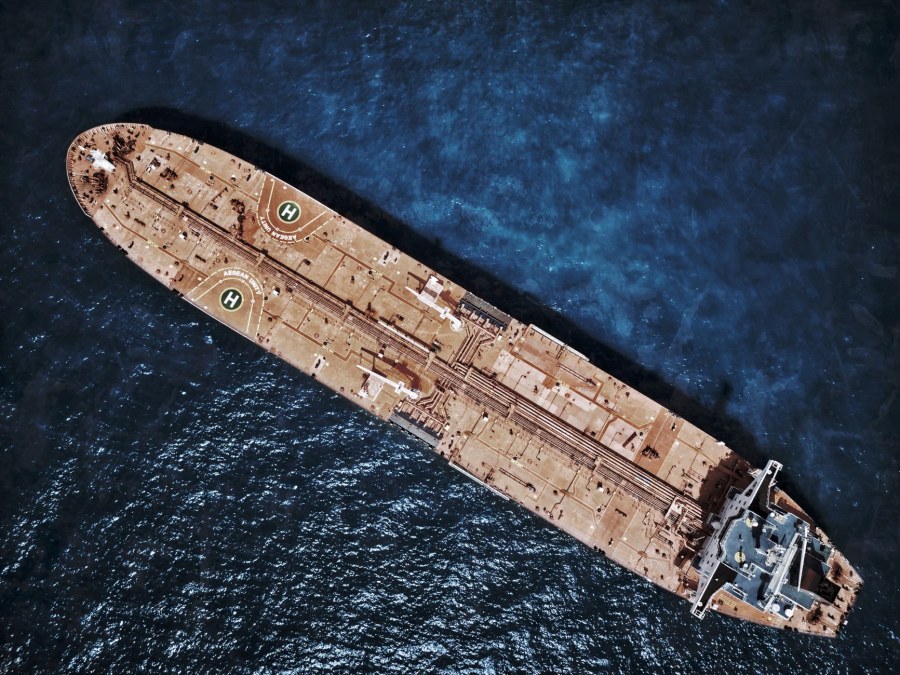
Iran and the United States have clashed in a new, large-scale naval escalation in the Gulf. Iran announced that it attacked 10 merchant ships near the Strait of Hormuz, in response to the U.S. sinking of five Iranian oil tankers. This marks the largest wave of attacks on maritime traffic from both sides since the conflict began six months ago.
The attacks have resulted in at least one death and one missing sailor aboard one of the affected oil tankers. The wave of violence has had an immediate impact on global energy markets, causing oil prices to surge: Brent crude exceeded the threshold of $100 per barrel for the first time since July.
The new naval escalation comes after a month of relative calm, during which the United States had sought to pressure Iran through economic means.
The war between Iran and the United States began six months ago, but tensions in the Persian Gulf region have much deeper roots. The current conflict erupted following a series of naval incidents and reciprocal attacks that gradually eroded the already fragile ceasefire. The Strait of Hormuz, a strategic maritime passage through which about one-fifth of the world's oil transits, has been a friction point for years.
This new, massive wave of attacks marks an unprecedented peak in the naval war. Iran has declared that it has expanded its "maritime exclusion zone" beyond Hormuz, striking ships in a broader area. The United States, for its part, has intensified operations to counter Iranian naval power. The war has already caused significant damage to global commercial traffic, and now, with oil prices above $100, it risks triggering a worldwide energy crisis.
The situation remains extremely volatile. U.S. President Donald Trump recently stated that he expects the war to end after the November midterm elections, but threats of new attacks from both sides leave little room for optimism.
"Dentro la Notizia" (Inside the Story) is an amateur, non-profit section of quoz.it, created for people who find it hard to make sense of current affairs without some context. Articles are written with AI assistance from public sources, without a professional newsroom or systematic editorial review: they may contain inaccuracies and are not a substitute for registered news outlets. This is not a registered press outlet under Italian law (L. 62/2001). Images, when not original, come from external sources for illustrative purposes only. If you find an article offensive, inaccurate, or think it should not be published — or you hold rights to a text or image and want it removed — let us know and we will act promptly.
Contact:
info@quoz.it

Comments (0)
No comments yet. Write the first one!