Iran attacks over 10 ships, oil prices exceed $100. The world's energy artery risks becoming an intermittent corridor.
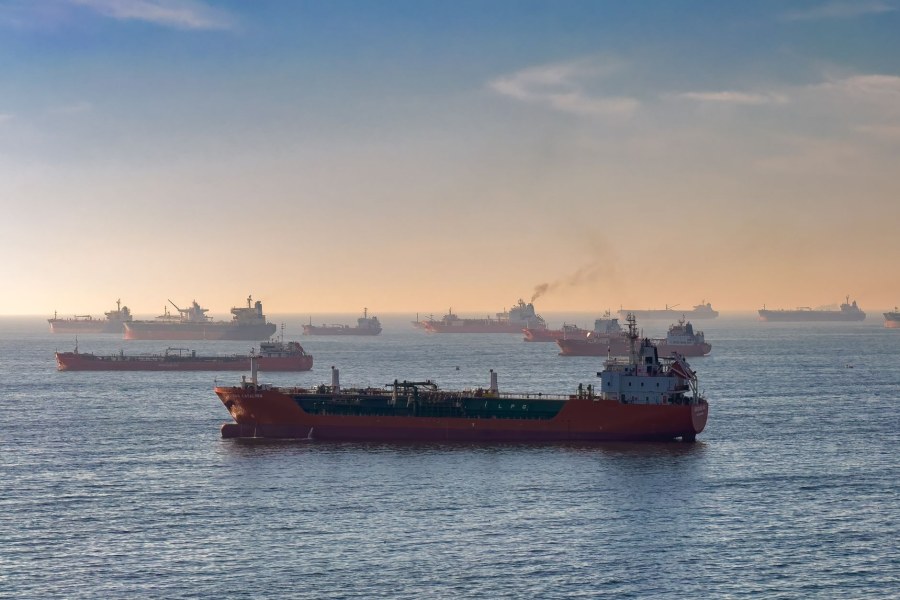
Commercial traffic in the Strait of Hormuz plummeted to just seven transits recorded on September 10, compared to an average of about 125 per day before the Iran-U.S. war began on February 28. Iran has claimed attacks on over ten ships in the strait, resulting in at least one death and one missing sailor. An oil tanker carrying two million barrels of Iraqi fuel oil caught fire after being struck by a drone.
The new escalation pushed Brent crude oil prices above $100 per barrel and the European benchmark gas price above 75 euros per megawatt-hour. The Islamic Revolutionary Guard Corps announced an even harsher response and suggested expanding the prohibited maritime zone. The International Energy Agency warned that the oil supply-demand deficit in 2026 risks being more severe than anticipated.
The Strait of Hormuz, approximately 33 kilometers wide, connects the Persian Gulf to the Indian Ocean and is one of the world's most critical energy arteries. For decades, its potential closure has been a recurring threat in Iranian foreign policy, especially during tensions over the nuclear program and sanctions. Iran possesses anti-ship missiles, mines, drones, and fast-attack units to make navigation extremely risky.
The current war began on February 28, 2026. Over the past six months, the conflict has gradually choked off traffic: from 125 daily transits before the war to an average of 15 in the ten days prior to September 10, followed by a collapse to just seven. This has turned a regional crisis into a global problem, with Europe facing another difficult energy winter. The situation is exacerbated by the Houthi offensive in Yemen, supported by Iran, which increases pressure on maritime routes.
"Dentro la Notizia" (Inside the Story) is an amateur, non-profit section of quoz.it, created for people who find it hard to make sense of current affairs without some context. Articles are written with AI assistance from public sources, without a professional newsroom or systematic editorial review: they may contain inaccuracies and are not a substitute for registered news outlets. This is not a registered press outlet under Italian law (L. 62/2001). Images, when not original, come from external sources for illustrative purposes only. If you find an article offensive, inaccurate, or think it should not be published — or you hold rights to a text or image and want it removed — let us know and we will act promptly.
Contact:
info@quoz.it

Comments (0)
No comments yet. Write the first one!