At the Teatro dell'Opera in Rome, Claus Guth's controversial staging returns, transforming Mozart's comedy into a psychological drama.
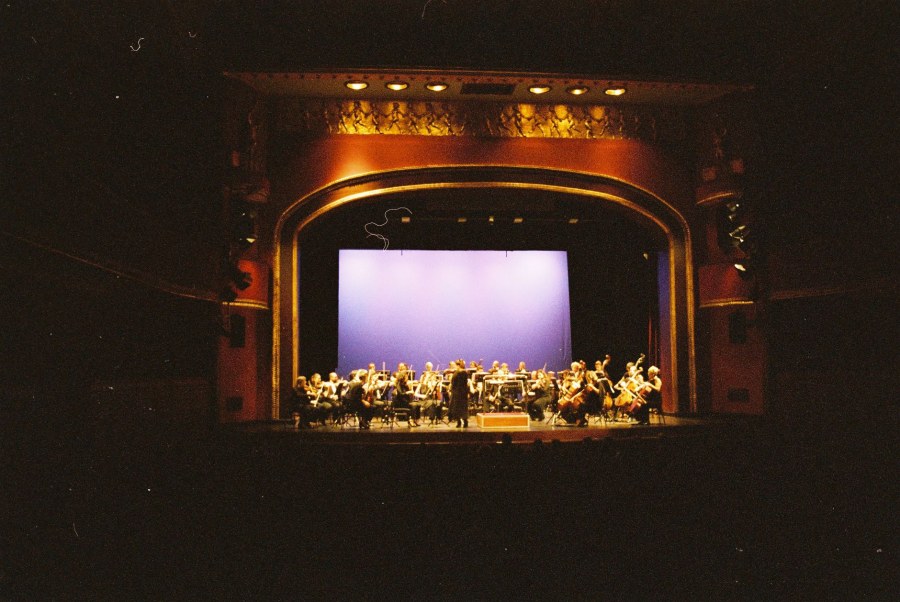
A new production of Mozart's Le Nozze di Figaro has been staged at the Teatro Costanzi in Rome, directed by Claus Guth. This is the same staging created in Salzburg in 2006, which has by now become a contemporary classic. The production is characterized by a setting in white, black, and gray, with cold lighting and a staircase dominating the stage, transforming the palace of the "folle journée" into an inner psychological space.
The orchestral direction is entrusted to Emmanuel Tjeknavorian, who leads an ensemble described as elastic and nervous. Guth's direction emphasizes the psychological cracks of the characters, seen as prisoners of their own interiority, in stark contrast to the redemptive and playful spirit of Mozart's music. The finale, with the famous "Contessa, perdono," is interpreted as a moment of transcendence that the direction seems to want to frame within a darker context.
The Marriage of Figaro, composed by Wolfgang Amadeus Mozart with a libretto by Lorenzo Da Ponte and first performed in Vienna in 1786, is universally considered one of the absolute masterpieces of musical theater. The opera, based on a comedy by Beaumarchais, is a complex comedy of errors set in a single mad day ("folle journée") in a Spanish palace, rich with disguises, recognitions, and romantic entanglements.
Claus Guth's production, created in 2006 for the Salzburg Festival, represents one of the most radical and debated interpretations of the opera. Guth abandons the colors and liveliness typical of traditional productions for a minimalist and psychological setting, inspired by the Norwegian playwright Henrik Ibsen. His interpretation accentuates the tensions and shadows of the characters, transforming the comedy into an introspective analysis. This production, periodically restaged in international theaters, has divided critics and audiences, becoming a benchmark for contemporary opera directors seeking to modernize classics, sometimes at the expense of their original spirit.
"Dentro la Notizia" (Inside the Story) is an amateur, non-profit section of quoz.it, created for people who find it hard to make sense of current affairs without some context. Articles are written with AI assistance from public sources, without a professional newsroom or systematic editorial review: they may contain inaccuracies and are not a substitute for registered news outlets. This is not a registered press outlet under Italian law (L. 62/2001). Images, when not original, come from external sources for illustrative purposes only. If you find an article offensive, inaccurate, or think it should not be published — or you hold rights to a text or image and want it removed — let us know and we will act promptly.
Contact:
info@quoz.it

Comments (0)
No comments yet. Write the first one!