
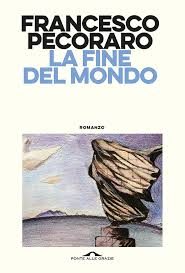
Un uomo anziano racconta in un lungo monologo dalla cucina della sua casa romana la propria vita, i ricordi di un'isola greca amata in gioventù, la città che è cambiata e il mondo che sembra avviarsi alla fine. Romanzo di riflessione tra ironia e lirismo sul tramonto di un'epoca.
La fine del mondo, pubblicato da Ponte alle Grazie, conferma Francesco Pecoraro tra le voci più originali della narrativa italiana contemporanea, dopo il successo di La vita in tempo di pace, romanzo che nel 2013 lo aveva consacrato presso critica e lettori. Il nuovo libro abbandona quasi del tutto l'ossatura tradizionale della trama per costruirsi come un lungo flusso di pensiero: un uomo ormai anziano, seduto nella cucina della sua casa nel quartiere Prati a Roma, ripercorre la propria esistenza in un monologo che procede per associazioni, digressioni e ritorni. Non c'è una storia da riassumere nel senso convenzionale del termine, quanto piuttosto un lavoro mentale in corso in cui il protagonista rievoca un'isola greca amata in gioventù e i personaggi che l'hanno popolata, osserva la Roma di oggi con uno sguardo insieme affettuoso e impietoso, e si interroga sulla nazione e sulla società diventate irriconoscibili rispetto a quelle in cui è cresciuto.
Il titolo va inteso in senso plurale: la fine del mondo di cui parla Pecoraro è la fine di una vita che si avvia al proprio termine, ma anche la fine di un progetto politico, di un modello urbano, di una cultura, di un equilibrio climatico ormai compromesso, sullo sfondo di una guerra che incombe come rumore di fondo dell'attualità. Lo stile alterna registri opposti con naturalezza, passando da un'ironia tagliente, quasi sarcastica, a squarci lirici di grande intensità poetica, in una scrittura densa e stratificata che richiede al lettore attenzione e disponibilità a seguire un pensiero che non procede mai in linea retta. È un romanzo che rifiuta la logica del racconto a effetto per privilegiare la profondità della riflessione, in continuità con la vocazione analitica che ha sempre contraddistinto l'autore.
Proprio questa densità stilistica rende La fine del mondo un'opera per lettori esigenti più che per il grande pubblico, non a caso il libro è stato premiato dalla classifica di qualità stilata dalla rivista L'Indiscreto, che nel 2026 lo ha indicato come il miglior romanzo italiano dell'anno per meriti squisitamente letterari, un riconoscimento che negli ultimi anni si è affermato come uno degli osservatori più autorevoli della qualità narrativa indipendente dai numeri di vendita.

Commenti dei lettori
+ aggiungi commentoAncora nessun commento. Scrivi il primo!